Wednesday, January 22, 2014

Week 2: Life of an elderly person

Sally, 71 years old, she suffers from Arthritis and Osteoporosis. She stays in a one room flat alone as her husband had already passed away. She has 2 child, both of her children abandoned her. She depends on her CPF savings for living.

She only cleans her house twice a year as she has difficulty in walking and it take her days to finish cleaning her whole house. She also can’t cook due to her back problem. Therefore, she goes to the nearby hawker centre along with her walking stick to buy packed food. In order to survive by herself, she will go pick up cans and cardboards to sell to help with her income.

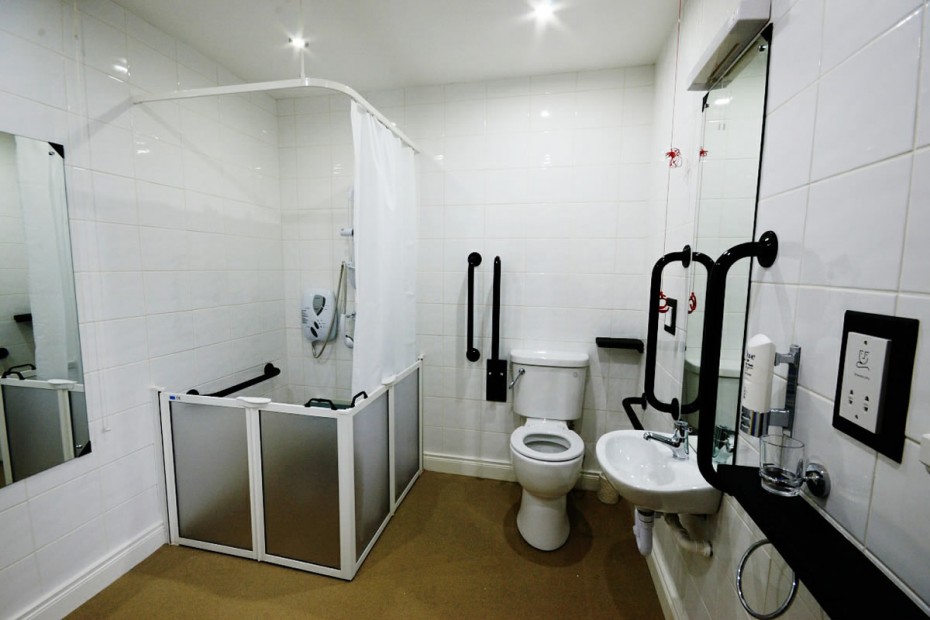
Her restroom is not fit for elderly as it does not have handle railings by the side of the wall for support, adjustable toilet seat and anti-slip mat. Whenever she visits the restroom, she will feel unsafe because she is afraid that she may fall anytime. She also encountered difficulty in sitting and standing up from the toilet bowl due to her back and leg problems.


Week 1: Empathizing (Safety for elderly in the restroom)

Many older people experience problems in daily living because of chronic illnesses or health-related disabilities. Those difficulties restrict their ability to perform self-care. This inability for self-care is a common reason why older people seek help from outsiders, move to assisted living communities, or enter nursing homes.


The daily living skills most affected by aging and chronic illnesses or disabilities include self-care activities that most people learn in early childhood and tend to take for granted as they mature. These include basic survival tasks such as dressing, bathing, grooming, using the toilet, moving in and out of bed or a chair, and eating. They also include activities for maintaining an independent life such as cooking, cleaning, doing the laundry, shopping, handling money, writing checks, driving, using public transportation, and using the telephone.


For many elderly and disabled persons using the toilet is a problem: when help is needed their quality of life often drastically decreases. Ageing people in general deal with decrease of physical, psychomotoric and sensory capacities. Because sitting down and getting up require postural control, the elderly are likely to have more trouble than younger people.

The most frequently applied method to deal with sitting down on and rising from toilets is the installation of a raised toilet. This possibly introduces other problems, such as increased straining and time on the toilet due to an unfavourable posture. Kirvesoja et al found indications for discomfort during prolonged sitting on elevated chairs. The method of using supports is the topic of this study. Supports allow the muscles of the legs to be assisted by the muscles of the arms and enlarge the footprint, enabling a more stable sequence of movements while sitting down and standing up. Raised toilets and supports are often combined to decrease problems with toilet use.