The daily living skills most affected by aging and chronic illnesses or disabilities include self-care activities that most people learn in early childhood and tend to take for granted as they mature. These include basic survival tasks such as dressing, bathing, grooming, using the toilet, moving in and out of bed or a chair, and eating. They also include activities for maintaining an independent life such as cooking, cleaning, doing the laundry, shopping, handling money, writing checks, driving, using public transportation, and using the telephone.
For many elderly and disabled persons using the toilet is a problem: when help is needed their quality of life often drastically decreases. Ageing people in general deal with decrease of physical, psychomotoric and sensory capacities. Because sitting down and getting up require postural control, the elderly are likely to have more trouble than younger people.
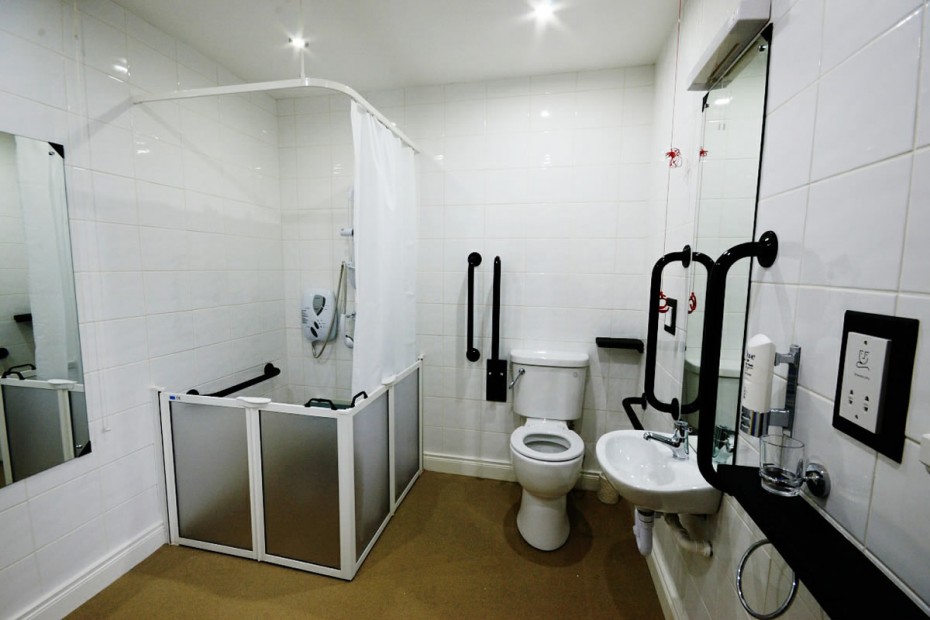
The most frequently applied method to deal with sitting down on and rising from toilets is the installation of a raised toilet. This possibly introduces other problems, such as increased straining and time on the toilet due to an unfavourable posture. Kirvesoja et al found indications for discomfort during prolonged sitting on elevated chairs. The method of using supports is the topic of this study. Supports allow the muscles of the legs to be assisted by the muscles of the arms and enlarge the footprint, enabling a more stable sequence of movements while sitting down and standing up. Raised toilets and supports are often combined to decrease problems with toilet use.

No comments:
Post a Comment